


Senator Baldwin Announces $2.6 Billion Plan to Invest in Great Lakes
“Our fresh coasts are critical to our economy, our environment, and our way of life in Wisconsin, and we need to do everything we can to protect them for generations to come,” said Senator Baldwin. “That’s why I’m proud to have voted for the Inflation Reduction Act to invest in Wisconsin and Tribal communities’ resiliency, address the impacts of climate change, and support good-paying jobs. I will continue fighting to ensure that Wisconsin gets our fair share of resources to advance research, enhance resilience, and support the management of the Great Lakes.”
Senator Baldwin has been calling on NOAA to prioritize investments from the Inflation Reduction Act funding in programs that support Great Lakes resiliency.
The programs this investment funds include:
Climate Resilience Regional Challenge ($575 million): NOAA will fund a new competitive grant program that will invest in holistic, collaborative approaches to coastal resilience at regional scales. This will include two funding tracks: Regional Collaborative Building and Strategy Development, and Implementation of Resilience and Adaptation Actions. Details will be available in early summer.
Tribal Priorities ($390 million): NOAA will provide funding specifically for tribes to support habitat restoration, fish passage, capacity building, science, fish hatcheries and Pacific salmon.
Climate-Ready Workforce ($60 million): NOAA will meet the emerging and existing needs of employers by placing workers in high quality jobs that enhance climate resilience. Funding will also aid training and support services that will help American workers advance their careers and implement climate resilience efforts within public and private sectors. Details on this new competition will be available in early summer.
Climate-Ready Fisheries ($349 million): NOAA will support projects to conserve fisheries and protected species in coastal regions around the country. This work will enable NOAA to build dynamic fisheries management systems that incorporate climate and ecosystem environmental data to support management decisions.
Ocean-Based Climate Resilience Accelerators ($100 million): NOAA will fund a new competitive business accelerator program to fill a critical unmet market need. These accelerators will support businesses with coastal and ocean-based resilience products and services related to NOAA’s mission as they navigate commercialization pathways. These businesses will help communities prepare for, adapt to, and build resilience to changing climate conditions. Details will be available in early summer 2023. NOAA will also advance existing resilience-related funding opportunities, through programs such as the National Oceanographic Partnership Program and the Ocean Technology Partnership program.
The framework for the $2.6 billion also includes additional funding for high-quality project applications received through the Bipartisan Infrastructure Law competitions, non-competitive funding for the Integrated Ocean Observation System, support for marine and Great Lakes sanctuary designations, Technical Assistance to states, localities, tribes, and other partners, and funding for the Pacific Coastal Salmon Recovery Fund.
Read more about Senator Baldwin’s leadership to invest in Great Lakes and coastal resiliency here.

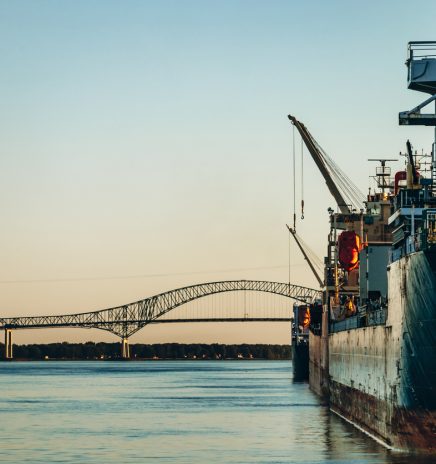
St. Lawrence Seaway Cargo Traffic Rises 3.5% Through September
Cargo traffic on the St. Lawrence Seaway increased 3.5% year over year through September 2026, reaching 24.941 million metric tons, according to year-to-date figures from the St. Lawrence Seaway Management... Read More
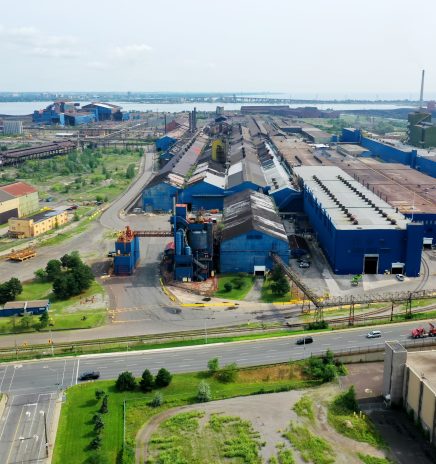
Stelco Layoffs to Affect 350 Workers at Hamilton Works
Stelco is expected to idle its cold-rolled and coated finishing operations at Hamilton Works beginning Oct. 9, resulting in layoffs affecting about 350 unionized workers in Hamilton and up to 500... Read More