
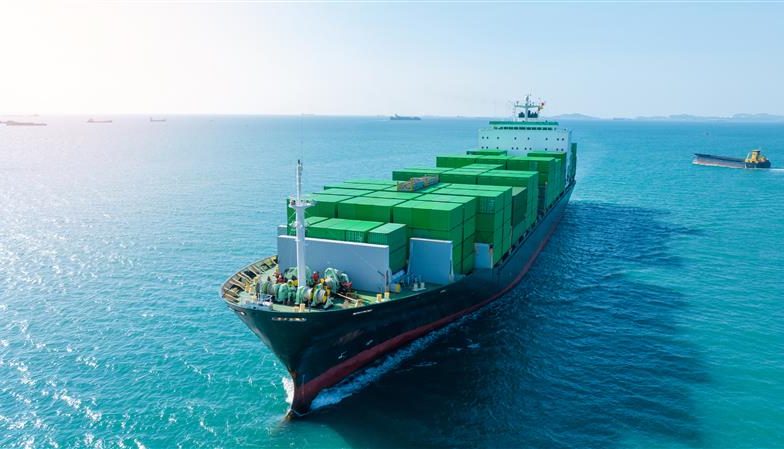

The Path Forward for Biofuels on the Great Lakes
Biofuels have moved from a theoretical solution to a proven near-term option for decarbonization in the maritime industry. In the United States, especially the Midwest, and in Canada, biodiesel production as a replacement for diesel allows for a lower-carbon fuel alternative without the capital cost of upgrading or replacing the existing fleet. Biodiesel can serve as a drop in fuel source in most cases, meaning that the original engine often can process this fuel. Biofuels are the next step toward decarbonization in the transportation sector, with marine vessels being a prime candidate for this fuel.
Current State of Biodiesel
Biodiesel is sold at a few ports and is available for purchase on land from fuel suppliers, if they carry it. On the U.S. side, only the Port of Detroit and Ports of Indiana-Burns Harbor have some blend of biodiesel available. The Canadian side has a bit more momentum, with both the Port of Hamilton and the Port of Colborne investing in new infrastructure to add capacity for vessels.
Biodiesel alternatives exist, most notably renewable diesel. However, biodiesel is more immediately available in the Great Lakes region and is generally lower cost than renewable diesel. Biodiesel and renewable diesel are both made using renewable sources like vegetable oils, animal fats and cooking oils. However, biodiesel is produced through a chemical process called transesterification. Renewable diesel is created via hydrotreating, which produces a drop-in fuel that is chemically identical to petroleum diesel. There are pros and cons to these biofuels, and a conversation with experts could help vessel owners or port operators decide which option is right for equipment and operational needs. Biofuels are an ideal bridge fuel for marine and maritime applications as zero-emissions fuels develop and get up to scale.
Production and Standards
The U.S. Energy Information Administration reported that the United States produced nearly 2 billion gallons of biodiesel in 2025. According to the Canada Energy Regulator (CER), Canada produced approximately 120 million gallons of biodiesel in the same year. Both countries produced nearly double the amount of renewable diesel as compared to biodiesel for the 2025 season. Production of both fuels is predicted to increase this year.
Biodiesel regulation and compatibility with existing engines have been a concern of many prospective users of the fuel. Released in 2024, the updated international standard on marine fuels (ISO 8217) reassures users that biodiesel blends up to 100% have been tested and approved to meet performance standards of marine vessels.
This document officially names biodiesel as a suitable alternative to heavy fossil fuels historically used in the marine industry, with a robust testing period to determine if it is safe and effective to use in marine engines. It is a win for biodiesel, as this will increase users’ confidence in the fuel quality and lead to greater acceptance across the industry.
Operational Readiness
With the standard in place and assurance in the quality of the fuel, the final step in getting an organization to adopt biodiesel is to ensure operational readiness. Biodiesel requires a separate storage tank and refueling equipment that may require some capital investment from fuel providers or terminal operations with on-site fuel storage. Creating a fuel management plan to account for seasonal variations is also critical to successful year-round use of biodiesel. Biodiesel performs differently in extreme cold weather, with higher blends requiring additional planning to ensure smooth operations. Cold weather considerations include lower blends, stricter fuel management practices and temperature control to minimize disruptions.
Regional Planning
Biodiesel use can be challenging due to bunkering inconsistencies across the Great Lakes region, and a limited number of ports have it available for vessels. Alone, these few locations for biodiesel are not enough to power the Great Lakes region. Additional bunkering at strategic locations and increased uptake by vessel operators would be required to ensure there is enough demand to justify increased capacity across the region and to ensure vessels have options to refill with biodiesel along their route.
As the Great Lakes region is located in proximity to biodiesel production and operates seasonally (with the coldest winter months seeing a decline in cargo movement), biodiesel could serve as a low-cost solution to reducing greenhouse gas emissions. If the region decides to adopt biofuels as a collective, collaboration to ensure adequate supply and bunkering points would be needed. Additionally, stakeholder engagement with vessel owners and port terminals could increase uptake of this alternative fuel regionally.
Policy Uncertainty and Variability
In the United States, the Renewable Fuel Standard (RSF) uncertainty affects the pricing of biodiesel and availability for marine applications. The federal government requires a certain number of gallons of biodiesel and renewable diesel to be blended into mineral diesel supply, which sets the floor for the biodiesel supply. The RSF volume requirements have not been released for 2026, which could limit maritime availability as suppliers await to see the best market opportunity for their fuel.
Canada’s Clean Fuel Regulations (CFR) create demand for biodiesel and renewable diesel as two fuels with a low lifetime carbon intensity. Sellers of these fuels can generate carbon credits. Additionally, an incentive program to improve margins for producers has gone into effect to support Canadian producers of biodiesel.
The demand for biodiesel is growing regionally, and both countries have additional capacity to produce biodiesel at existing refineries. The challenge facing growth is not about technological feasibility or production, but rather political uncertainty. Changing policies, incentives and fuel/carbon taxes add to the hesitancy to fully commit to the investment in infrastructure that would be required to scale biodiesel across the Great Lakes ports.
Regional Context
The Great Lakes region now faces a scaling challenge, not one of technical feasibility, when it comes to biodiesel. With coordination, biodiesel can provide immediate and near-term emissions reductions while longer-term zero-emissions solutions develop. Biodiesel is available now, compatible with the current vessels on the Great Lakes and affordable when compared to alternative technologies.
Emily Alexander is a senior associate scientist at Tunley Environmental. She can be reached at EmilyAlexander@tunley-environmental.com.

Building the Case for Resilient Great Lakes Ports
Resilience is the ability of organizations, communities, ecosystems and economies to anticipate, absorb or recover from the effects of climate-related hazards. According to the Intergovernmental Panel on Climate Change (IPCC),... Read More
NOAA Begins 2026 Hydrographic Mapping Work on Great Lakes
For the first time since 2022, the National Oceanic and Atmospheric Administration is conducting mapping operations across portions of Lakes Erie, Huron, Michigan and Superior. The NOAA Ship Thomas Jefferson returned to the Great Lakes... Read More