
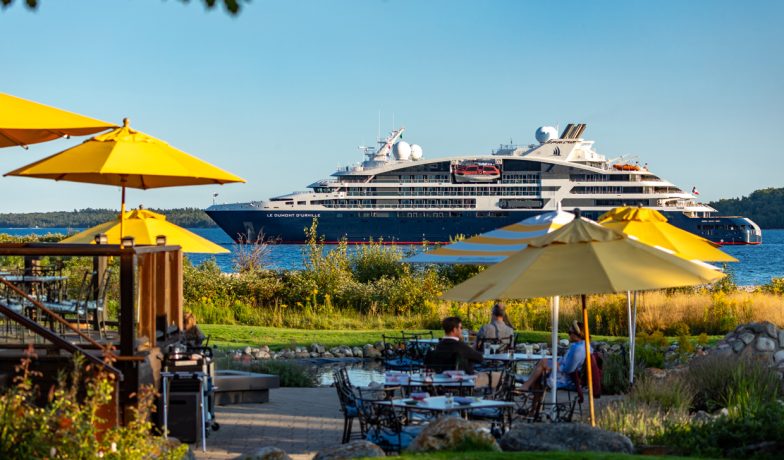


Great Lakes Passenger Cruise Industry Continues to Build Momentum
Once considered a niche segment of the cruise market, Great Lakes cruising has steadily developed into a thriving industry built around destination-focused experiences, maritime history and the unique character of the eight states surrounding the lakes. The continued success of recent seasons has created confidence among cruise operators and port communities, leading to investments that will shape the future of passenger cruising throughout the region.
From Viking’s announcement of two additional expedition vessels to new cruise facilities being developed in Milwaukee and Buffalo, recent developments demonstrate that the Great Lakes are becoming an increasingly important part of the North American cruise market.
Sally Davis Berry, tourism director for Cruise the Great Lakes, said the industry’s current success represents years of growth and changing perceptions about the region’s potential. “When the cruising industry in the Great Lakes started, a lot of people were naysayers, like, who would want to come to the Great Lakes?” Berry said. “Well, then obviously the success proved itself.”
A Growing Industry Finds Its Place
Great Lakes cruising did not become popular overnight. Whether tourists would pick the area over more conventional river and ocean cruise destinations was a concern for early industry supporters.
Over time, increased passenger demand and successful itineraries helped prove that the Great Lakes offered something unique, a combination of historic ports, cultural experiences and natural landscapes that could compete with more established cruise markets.
The Great Lakes passenger cruise industry is anticipating seeing another boom in activity compared to 2025, continuing the momentum built over the previous few years into the 2026 season. As more tourists learn about the area and cruise lines broaden their services, industry forecasts indicate that passenger visits, port activity and economic impact will all continue to rise.
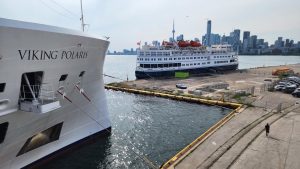
This continued success has encouraged cruise companies and communities to invest in the future of the industry. Viking’s recent agreement with Fincantieri to construct two additional expedition vessels is one example of the confidence operators have placed in the long-term potential of Great Lakes cruising.
The two new ships will be sister ships to Viking Octantis and Viking Polaris, which run expedition cruises across the Great Lakes. They are expected to be delivered in 2030 and 2031. Each ship can hold 378 passengers and is built for locations like the Great Lakes and St. Lawrence River that call for advanced navigational capabilities.
Other operators are also expanding their presence in the region. Hapag-Lloyd continues developing new Great Lakes itineraries, while Victory Cruise Lines recently announced its 2028 Ultimate Great Lakes Voyage, an itinerary designed to showcase all five Great Lakes and all eight Great Lakes states. The voyage will also introduce Erie, Pennsylvania, as a new cruise destination.
Travelers Discover the Great Lakes Close to Home
The industry’s ongoing expansion is changing traveler preferences, as more seasoned tourists seek out distinctive local experiences.
Many passengers who have traveled internationally are discovering that the Great Lakes offer the same sense of exploration and discovery without the challenges of international travel.
“Folks that have cruised all over the world are finding out there are opportunities closer to home, maybe logistically a little easier as they get a bit older, and they can extend the stay,” Berry said.
Cruise the Great Lakes offer travelers more than just transportation. It provides chances to discover the region’s natural landmarks, waterfront communities, cultural landmarks and local history.
Berry said the industry’s future depends on continuing to recognize and promote those opportunities. “The opportunities are there,” Berry said. “We just have to learn how to take advantage of them.”
Ports Invest in the Future
The growth of passenger cruising has created a need for ports throughout the region to improve facilities and prepare for increased vessel traffic.
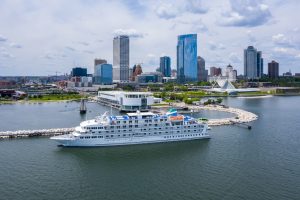
Port Milwaukee is one example of a community investing in the future of Great Lakes cruising. The port’s $17 million South Shore Cruise Dock is the port’s third designated cruise dock. The new facility will allow Milwaukee to accommodate some of the largest cruise vessels traveling the Great Lakes.
For Berry, investments like Milwaukee’s demonstrate that communities recognize the economic value and long-term potential of passenger cruising.
“Ports like Milwaukee putting in a third docking area specifically just for cruise ships, that is a huge infrastructure investment, so that shows that destinations are seeing the return on investment,” Berry said.
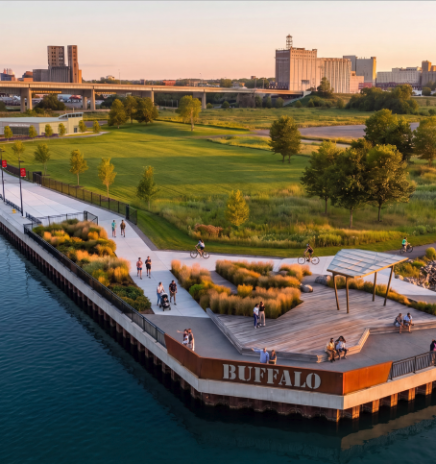
Additional investments are also taking place throughout the region. Buffalo, New York, is moving forward with plans for a new cruise terminal that will provide expanded opportunities for Great Lakes passenger service and strengthen the city’s role as a cruise destination.

While developing cruise infrastructure requires significant planning and resources, Berry said communities are looking beyond immediate needs and preparing for continued growth.
“It’s an infrastructure investment, but I think they see the growth long term, so they’re willing to put the money into that infrastructure,” Berry said.
Building Connections Across the Region
As Great Lakes cruising continues to expand, collaboration between cruise lines, ports and destinations has become essential. Cruise the Great Lakes works as a cooperative marketing program focused on promoting the region as a unified cruise destination while helping communities develop their role within the industry.
“We work with the cruise lines, the destinations and the ports,” Berry said.
That collaboration helps new ports enter the market while supporting communities that have helped build the industry from the beginning.
“One of the things that our organization does very well is help new ports come online, welcome new cruise ships, but also support the (longtime partners) that have been involved since the very beginning,” Berry said.
Cruise the Great Lakes connects operators, destinations and tourism organizations to showcase the variety of experiences available throughout the region and assist communities in discovering new opportunities.
What started out as a new tourism opportunity has developed into a well-established and growing sector of the Great Lakes economy. The area is setting itself up for a new era of passenger cruising with sustained investment and cooperation.
Feature photo: Le Dumont-d’Urville/Photo courtesy of Mackinac Island Tourism

Great Lakes Passenger Cruise Industry Continues to Build Momentum
The Great Lakes passenger cruise industry is entering a period of unprecedented growth as cruise lines expand their fleets, ports invest in new infrastructure and communities prepare for an increasing... Read More
Work Set to Begin on Buffalo’s New Great Lakes Cruise Terminal
Construction on Buffalo, New York’s, planned cruise terminal at the Outer Harbor is expected to begin next month after the Erie Canal Harbor Development Corporation (ECHDC) Board of Directors approved a contract... Read More