
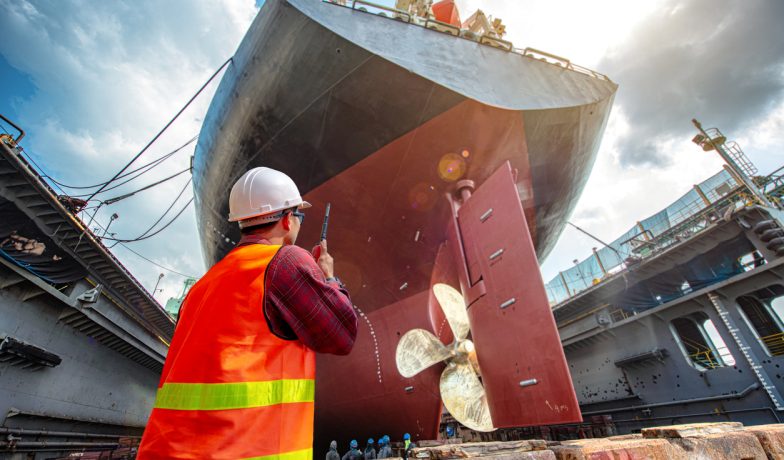

Recruiting and Retaining the Next Generation
In Michigan, the workforce is one of six major goals within the state’s Michigan Maritime Strategy. This goal aims high, with Michigan seeking to lead the nation in recruitment, training and retention of the maritime workforce.
Many Allies on This Effort
In Canada, the Canadian Marine Careers Foundation (CMCF) is one of the leading workforce groups seeking to attract and build a talent pipeline for Canada’s commercial maritime interests and the Canadian Navy and Coast Guard. CMCF directs the efforts of more than 60 industry, labor, education and government partners to build a diverse and future ready workforce for Canada’s marine sector. CMCF is active via its Imagine Marine campaign, which provides outreach and interactions with students, second career seekers, new citizens and equity-deserving groups.

On September 22 and 23 in Ottawa, the CMCF hosted the Imagine Marine Conference 2026. This is the third year the foundation has held its national workforce conference. This year’s theme was titled “Future-Proofing the Marine Workforce: Skills, Tech and Talent.” Conference sessions explored how the maritime sector can adapt to evolving workforce trends while engaging with the next generation and increasing employee retention.
Julia Fields, executive director of the CMCF, said the notion of “Future Proofing” reflects growing pressure to modernize training, improve retention and attract new entrants.
Conference speakers included representatives from Transport Canada, the Canadian Coast Guard, the Royal Canadian Navy and Public Services Procurement Canada. Speakers highlighted partnership opportunities with maritime industries and stakeholders from the Great Lakes-St. Lawrence Seaway and east and west coast regions, as well as the Arctic.
“The marine sector is at the center of Canada’s current priorities to expand international exports, increase defense capabilities and protect Arctic sovereignty,” Fields said. “Addressing workforce gaps is critical to ensure this sector can continue to support domestic growth and global competitiveness.”
American Workforce Efforts
In the United States, at least at the federal level, the U.S. Committee on the Marine Transportation System (CMTS) is a centralized effort to advance maritime issues, and workforce is one of five top areas of concern. The CMTS has a National Strategy, released in 2017, that serves as its guideline document. The strategy was most recently updated in 2023 and titled “Cultivating a Resilient and Sustainable Blue Economy (2023 – 2028)”. Regarding workforce, the strategy seeks to “advance the health, welfare and growth of the MTS workforce.”
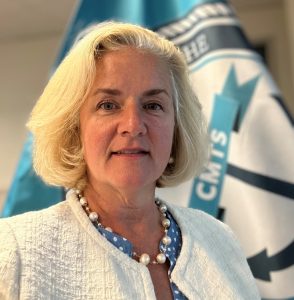
In 2022, CMTS also established a Mariner and Workforce Integrated Action Team, led by the U.S. Coast Guard (USCG) and the Maritime Administration (MarAd). Ashley Chappell, executive director of the CMTS, said the committee is very focused on its strategic priorities for maritime workforce recruitment, retention and development. She highlighted two top-level efforts pushing this priority:
- The maritime workforce growth and training elements in President Trump’s Executive Order 14269, “Restoring America’s Maritime Dominance”
- The SHIPS Act, now in the House version of the 2027 National Defense Authorization Act, includes workforce provisions
“These are placing a renewed and welcome emphasis on the importance of our maritime sector and the people who drive it,” Chappell said.
She also noted excellent entry-level training, career pathways and direct hiring opportunities. “But the root of the issue in front of us is that not enough Americans know about the many viable career options in the maritime industry,” Chappell said. “At the CMTS, we lead and participate in several activities to remedy this lack of awareness.”
A new long-term strategy she described is CMTS’ work with public and private sector partners to “educate the educators on maritime today.” In mid-July, Chappell said the CMTS team had a chance to speak to thousands of K-12 school counselors at the American School Counselors Association conference in New Orleans. “We illustrated the diversity and depth of career paths and career longevity in the maritime sector,” Chappell said. “Many of the counselors were surprised to learn about all the opportunities in maritime, but excited to take that information back to their students.”
Chappell said that the CMTS is also involved in the Military to Mariner (M2M) program, which is a joint program across U.S. Armed Forces and the USCG to assist service members as they transition to civilian employment. “We also recognize that the maritime sector does not just mean careers aboard ships. This sector relies on many trades and skillsets from welding and electrical to engineering and architecture, plus cutting-edge technology and tools to support our domestic supply chain and economy,” she said. “We see growing interest in these marine workforce opportunities at the high school, trade school and college levels.”
MarAd provides career resources on its website, including financial aid information, workforce development details and data and reports on education training. A press office spokesperson said the information about financial assistance and education and career pathways attract significant interest from students and prospective maritime professionals.
In addition to providing funds for the six state maritime academies and the Merchant Marine Academy, MarAd provides funds to designated “centers of excellence” training centers. Recently, MarAd also participated in the July American School Counselor Association Annual Conference in New Orleans.
MarAd is watching the FY2027 budget process for additional funding that could expand maritime education and workforce programs.
Funding Hurdles
In May, the Government Accountability Office (GAO) issued a report to Congressional committees titled “Mariner Training: Maritime Administration Should Share More Information About Financial Aid and Careers.”
GAO noted MarAd’s funds to established education providers, such as the state academies and programs affiliated with maritime unions. But the GAO said that most other training institutions do not have the approvals required for students to use financial aid. The GAO stated that of the 197 non-academy institutions that offered USCG-approved courses as of August 2025, less than 20% of them were approved to accept aid through the departments of Education, Veterans Affairs (VA) or Labor.
According to the GAO, recent MarAd staffing shortages have constrained efforts to focus on student aid. GAO suggested that MarAd could leverage its efforts with existing resources, such as the CMTS, to work with other agencies to help address challenges, such as sharing expertise from VA and Labor on aid approval processes.
Another concern is that MarAd has taken limited steps regarding information about aid from other agencies. The GAO stated that respondents from 11 of 26 surveyed institutions reported that MarAd had not communicated with them in the past three years on aid available to students, and respondents from another 11 institutions reported they did not know if MarAd had offered such communication.
GAO suggested that despite limited resources, MarAd could reach more students by using social media to promote financial aid. In addition, promoting available financial aid would better position MarAd to support its mission of growing the maritime workforce to promote national and economic security.
Keith Washington, deputy assistant secretary for administration at the U.S. Department of Transportation, told the GAO that MarAd agrees with the recommendations and will provide a detailed response.
Getting the Word Out
In the United States, We Work the Waterways (WWW) is a national organization like the CMCF in Canada, introducing students to maritime, shipping and logistics employment opportunities.

Errin Howard, executive director of WWW, said the introduction to a career in maritime needs to differ depending on age and background. She said that with students, initial outreach focuses less on salary and more on discovery. “Many young people have never heard of the maritime industry or realized the variety of careers it offers,” she said, adding that WWW emphasizes hands-on opportunities, advanced technology, problem-solving and that there are more than 100 careers in the maritime sector.
With adults, Howard said discussions shift toward competitive wages, career stability, advancement opportunities and the strong workforce demand across the industry.
Across all audiences, she said the message that consistently resonates is that maritime careers are essential, rewarding and often overlooked.
WWW measures its success both through outreach and engagement and industry involvement, tracking numbers of students served and feedback to understand changes in awareness and interest in maritime careers. One important metric in WWW’s 2026 Annual Report shows that 56% of students participating in Maritime Interaction Days sought additional training and career resources.
Howard said industry partnerships are critical. WWW has 325 industry partners. Towboat and barge companies, ports and terminals participate by providing equipment and demonstrations and having employees available for career conversations, offering a chance to help students understand the wide range of career opportunities available and build awareness of the industry’s long-term workforce needs.
“One of the greatest challenges is not convincing people to pursue maritime careers,” Howard said. “It’s helping them discover the industry in the first place.”

Recruiting and Retaining the Next Generation
In just about every new maritime initiative, at both state and federal levels, maritime workforce recruitment, development and retention remain as central concerns. In President Donald Trump’s February 2026 Maritime... Read More
Commerce Committee Passes Bipartisan Bill to Protect Great Lakes Conservation Efforts
The Senate Commerce, Science, and Transportation Committee has passed bipartisan legislation led by U.S. Senator Gary Peters (D-MI) to strengthen federal support for Great Lakes research and conservation efforts. The... Read More