



U.S. Coast Guard Renames Geographical Operational Districts
This change aims to indicate more accurately the regions they serve and represent. Renaming operational districts revises a numbered system established during World War II, when the Coast Guard operated as part of the Navy to ensure alignment between the services. In the 80 years since the Coast Guard separated from the Navy, the Service has maintained the numbered districts. However, the Navy stopped using numbered districts more than 25 years ago.
Updating operational districts to regional names will more clearly align districts with their areas of responsibility, facilitate collaboration with interagency partners and ensure the American public and maritime stakeholders can easily find and understand the districts in which they live, recreate and operate. This change is a direct action within FD2028’s organization campaign, which is focused on adapting the Coast Guard’s structure to remain effective and responsive.
The new geographic names, approved by the Department of Homeland Security, are as follows.
District 1: USCG Northeast District
District 5: USCG East District
District 7: USCG Southeast District
District 8: USCG Heartland District
District 9: USCG Great Lakes District
District 11: USCG Southwest District
District 13: USCG Northwest District
District 14: USCG Oceania District
District 17: USCG Arctic District
This change will not impact operations or change existing geographical district boundaries. To memorialize the updated names for operational districts, the Coast Guard is undertaking the process of formally changing district names in the Code of Federal Regulations. Through this process, the Coast Guard will continue to communicate with stakeholders and provide updated resources and information as appropriate.

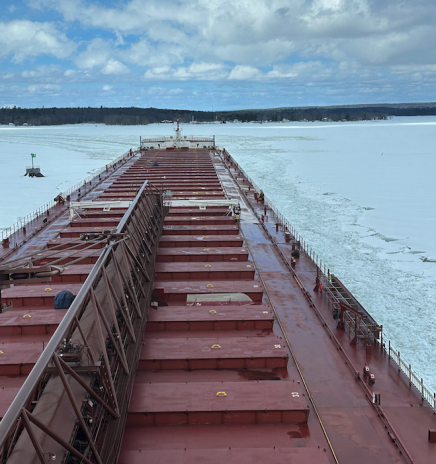
Ice Conditions Renew Calls for Additional U.S. Icebreaker on Great Lakes
Commercial shipping on the Great Lakes has slowed sharply just a few days into the 2026 navigation season, as ice conditions in the St. Marys River and Whitefish Bay halted vessel traffic and renewed... Read More
Maritime Administration Announces $488.6 Million in Port Infrastructure Grants
The U.S. Department of Transportation’s Maritime Administration (MARAD) has announced $488.6 million in funding through the Port Infrastructure Development Program (PIDP) to support upgrades at ports across the country. The... Read More